
-
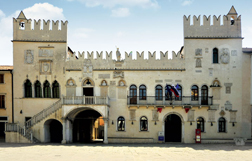
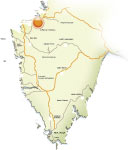
Koper
Ville située au ''sommet de l' Istrie'' a gardé les noms des gouverneurs, à travers l' histoire. Inconnue dans la préhistoire (à cette époque sanctuaire illyrien), le nom grec Egida (Aegida), lié...
-
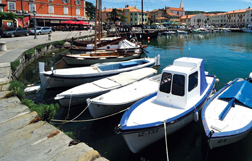
Izola
Le long de la côte nord-ouest, sur l' ancienne île, est située l' unique ville côtière istrienne qui possède une histoire du tourisme thermal. Dès le Ier siècle avant J.-C., depuis qu' elle avait été peuplée, datent les premières...

-
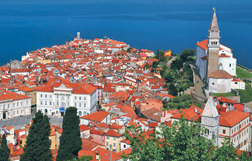
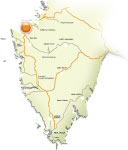
Piran
Situé dans une sorte d' abri, sur la péninsule dominée par l' église de Saint-Georges, protégé par des murs épais, tout le long de la crête de la colline Mogoron, qui descend profondément dans la mer, entre la baie...
-
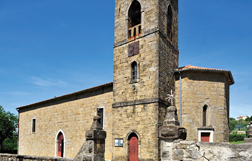
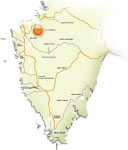
Koštabona
Ce lieu, placé au-dessus de la rivière Dragonja, a toujours vu et contrôlé son cours d' eau. Autrefois, une des principales routes commerciales, aujourd' hui c' est la frontière entre la Croatie et la Slovenie. Selon les...
-
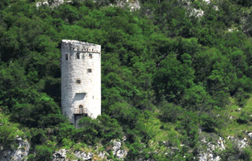
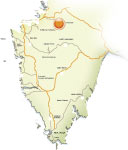
Podpeč
La ville s' est développée dans l' arrière-pays de Koper, dans la vallée de la rivière Rižana, sur un terrain karstique, plein de grottes et sources d' eau potable, qui déterminera son développement. Le plus...
-
Umag
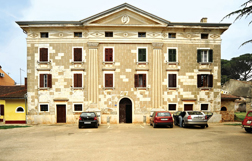
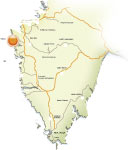
Situé au sommet de la côte ouest de l' Istrie, c' est la dernière station navale historique avant de traverser l' Adriatique du nord. Toute la zone élargie est pleine de découvertes archéologiques qui confirment la vie de l'...
-
Novigrad
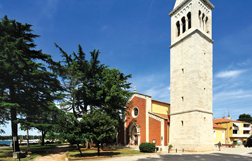
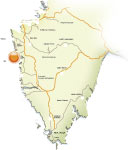
Sur la côte occidentale de l' Istrie, le long de l'estuaire de la rivière Mirna, est situé Novigrad, le centre des Francs en Istrie. Il s' agit d' une petite presqu' île, habitée dès l' époque...
-
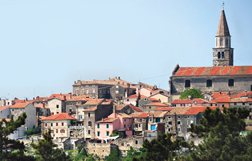
Buje
Au sommet d' une colline, dans l' intérieur de l' Istrie est située la plus grande ville dans sa partie nord-ouest. L' architecture de la citadelle antique n' est pas conservée, par contre, on a trouvé beaucoup de fragments de...

-
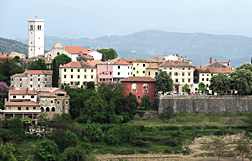
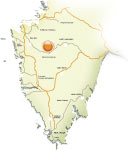
Oprtalj
It is not easy to find an attractive introduction for Oprtalj, yet another fortified town on the hilltop. No matter how attractive it was at the time of its prosperity, it is presently inexplainably neglected which is why it is usually not included in tourist itineraries of medieval towns. However, its development is not...
-
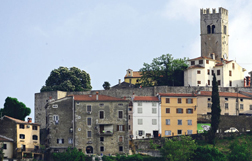
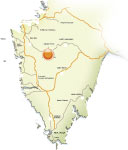
Motovun
Perched on the hilltop in central Istria above the Mirna Valley stands the town with the best preserved fortification system in Istria. In prehistoric times already, people recognized the advantages of living on its plateau where they built their settlement. We are not certain of its power at the time, but its development...
-
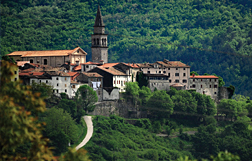
Buzet
In prehistoric times the hill-fort, from which the town later developed, watched over the road along the Mirna Valley. The settlement Piquentum derives its name from the semi-Romanized community of Illyrian-Celtic origin that populated these areas in Roman times. In perilous times of Late Antiquity and...

-
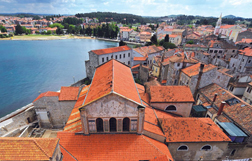
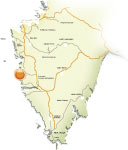
Poreč
The surrounding area of Poreč was inhabited already in prehistoric times, which is testified by the many hill-forts (Picugi). The town started developing in the 1st c. BC, when it became a Roman colony. On the fertile land of the surrounding countryside, where famed olive oil and wine were produced, magnificent Roman...
-
Vrsar
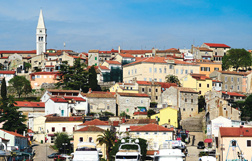
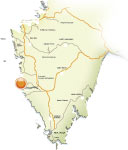
The ancient residence of the Poreč bishops lies on the western coast of Istria, north of the entrance to Lim Channel. The favorable location of the bay facilitated the development of the ancient port. The remains of its breakwater, together with economic villas along the coast and on Sv. Juraj Island were...
-
Sveti Lovreč
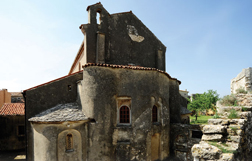
On the western coast of Istria, not far from Lim Channel, lies the town with the best preserved Early Romanesque basilica in Istria. Its hill-fort features and toponyms in the greater area bear witness of prehistoric life which then continues into the Roman period. Its name at that time is not known since it was not...

-
Rovinj
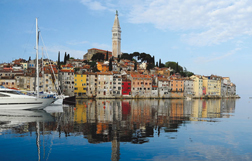
The view of Rovinj, from whichever perspective, always focuses on the same detail, so it is impossible to tell the story of this town without mentioning it: high up on the belfry of the parish church stands the magnificent statue of St. Euphemia, patron saint of the town ever since the 9th c. Today, the preserved body of...

-
Pula
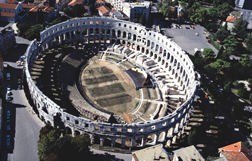
The town of fugitives, mythical refuge of the Argonauts, for centuries has been a perfect stopping point for boats sailing along the western coast of Istria. The great abundance of monuments and beauty of its bays were frequently described in travel books. The slogan of the three-thousand-year-old history of the town is...

-
Barban
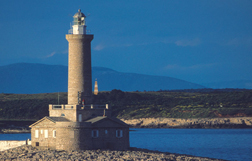
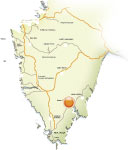
Deep in the hinterland of the eastern coast of Istria, before the winding road descends into the Raša River Valley, this early medieval town is an ideal stopping point. Throughout the entire Middle Ages until Austria acquired the possession in 1374, it was the cause of dispute of Pula's bishops, Patriarchs of...
-
Pazin
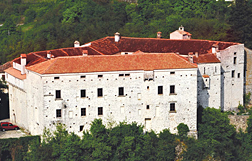
Situated in central Istria, this town is the formal capital of Istria County. Although there are no traces of prehistoric and ancient settlements, it is possible that the town originated even before 983 when it was mentioned for the first time in written documents. When visiting Castrum Pisinum or the...

-
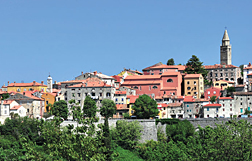
Labin
This medieval fortified town is perched high above the Kvarner Gulf, on the eastern coast of Istria. It proudly stands overlooking the Raša River, historical boundary between the Illyrian tribes of Histri and Liburnians, and afterwards the Roman provinces of Histria and Dalmatia. In Roman times the settlement...

-
Vodnjan
The town was not established until the Middle Ages, despite the ruins of a prehistoric hill-fort near the Church of St. Mary of Traversa. The name of the town derives from the Latin vicus Atinianus mentioned in written documents in 1150. As early as 1212, the oldest church in town, St. James delle...