
-
Kopar
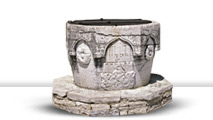
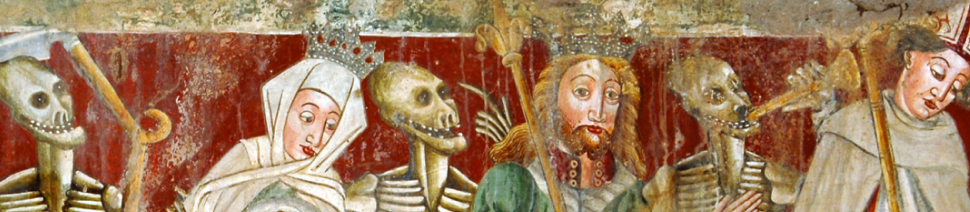
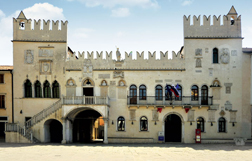
Grad „na vrhu Istre“ u svojim je povijesnim nazivima očuvao imena vladara. Nepoznata je imena u prapovijesti, kada se ovdje nalazi ilirsko svetište dok se grčki naziv Egida (Aegida), legendom vezan za mit o Argonautima, spominje u 1. st. pr. Krista. Razvija se od rimskog doba kao Capris...
-
Izola
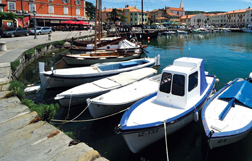
On the northwestern coast of Istria, on the one-time island, lies the only Istrian coastal town that boasts a history of thermal tourism. It was inhabited in the 1st c. BC which is the period that the oldest traces of the large luxurious complex with a Roman villa and pier on the seaside in Simon’s Bay, only...

-
Piran
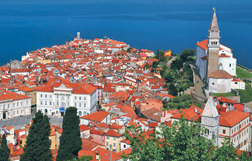
Učahurio se na poluotoku nad kojim dominira crkva sv. Jurja, branjen moćnim zidinama duž hrpta brežuljka Mogoron koji se spušta duboko u more između Piranskog i Strunjanskog zaljeva. Kontinuitet života od brončanog doba na poluotoku nije upitan. U antici se odvijao u stambeno-gospodarskim kompleksima...
-
Koštabona
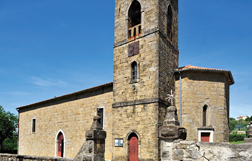
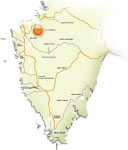
This village above the Dragonja River has always overlooked its course. In the past, it was one of the main trade routes, whereas today it is the border between Croatia and Slovenia. According to archaeologists, living was organized already in prehistory, whereas the Roman origin of the toponym Castrum Bonae...
-
Podpeč
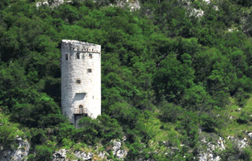
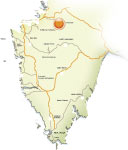
The village developed in the hinterland of Koper, overlooking the Rižana River Valley, on the Karst land full of caves and fresh water springs that determined its development. The oldest identifiable building is a round tower from the 11th c. Although it might seem small and insufficient for defensive purposes at...
-
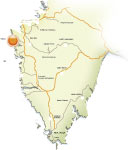
Umag
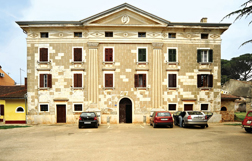
Situated at the far end of the western coast of Istria, it is the last historic maritime station before crossing the northern Adriatic. Its greater surroundings are rich in archaeological finds that prove living in prehistoric times. The Roman rule meant intensive construction of residential-economic villas along...
-
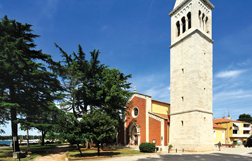
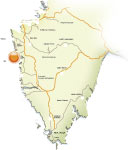
Novigrad
Na zapadnoj obali Istre, uz ušće rijeke Mirne, smjestio se Novigrad, centar franačke uprave u Istri. I ovaj je maleni poluotok bio naseljen u prapovijesti. U antici se na širem području podižu ladanjske vile – imućno latinsko stanovništvo znalo je prepoznati pogodna mjesta za gradnju...
-
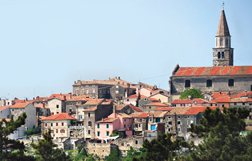
Buje
Na vrhu brda u unutrašnjosti Istre smjestio se najveći grad njenog sjeverozapadnog dijela. Arhitektura bujske gradine nije sačuvana, ali jesu mnogi ulomci onodobnog posuđa i oruđa. Oko gradinskog naselja u rimsko je doba sagrađeno nekoliko stambeno-gospodarskih sklopova, a najveći od njih je Sveti Elizej,...

-
Oprtalj
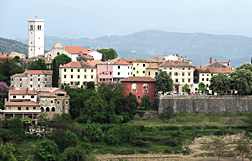
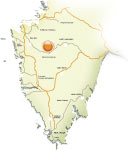
It is not easy to find an attractive introduction for Oprtalj, yet another fortified town on the hilltop. No matter how attractive it was at the time of its prosperity, it is presently inexplainably neglected which is why it is usually not included in tourist itineraries of medieval towns. However, its development is not...
-
Motovun
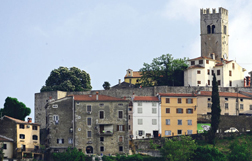
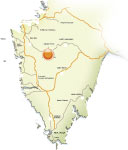
Na brdu u središnjoj Istri iznad doline Mirne smjestio se grad s najočuvanijim fortifikacijskim sustavom u Istri. Još su u prapovijesti ljudi prepoznali pogodnosti života na njegovoj zaravni i podigli naselje. Kakvu je snagu onomad imao, ne znamo, no kako se razvijao, iščitat ćemo u dokumentu iz 804.,...
-
Buzet
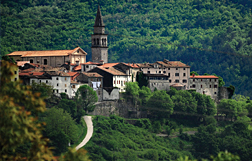
U prapovijesti je put dolinom rijeke Mirne nadzirala gradina na mjestu kasnijeg grada. Naselje Piquentum ime duguje zajednici poluromaniziranih stanovnika iliro-keltskog podrijetla koja ovdje živi tijekom rimske vladavine. U nesigurnim vremenima kasne antike i početkom srednjeg vijeka stanovništvo...

-
Poreč
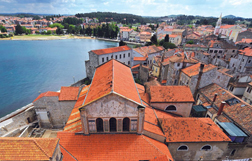
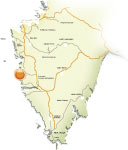
Okolica grada gusto je naseljena u prapovijesti, o čemu svjedoče brojne gradine (Picugi). Grad se razvija od 1. st. pr. Kr., kada postaje rimska kolonija. Na plodnoj zemlji u okolici, gdje su se proizvodili nadaleko poznato maslinovo ulje i vino, grade se raskošne rimske vile. Urbana osnova Poreča zacrtana je prema...
-
Vrsar
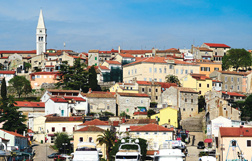
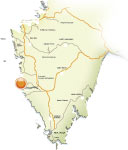
The ancient residence of the Poreč bishops lies on the western coast of Istria, north of the entrance to Lim Channel. The favorable location of the bay facilitated the development of the ancient port. The remains of its breakwater, together with economic villas along the coast and on Sv. Juraj Island were...
-
Sveti Lovreč
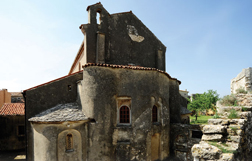
On the western coast of Istria, not far from Lim Channel, lies the town with the best preserved Early Romanesque basilica in Istria. Its hill-fort features and toponyms in the greater area bear witness of prehistoric life which then continues into the Roman period. Its name at that time is not known since it was not...

-
Rovinj
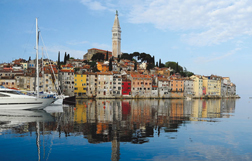
The view of Rovinj, from whichever perspective, always focuses on the same detail, so it is impossible to tell the story of this town without mentioning it: high up on the belfry of the parish church stands the magnificent statue of St. Euphemia, patron saint of the town ever since the 9th c. Today, the preserved body of...

-
Pula
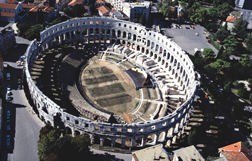
The town of fugitives, mythical refuge of the Argonauts, for centuries has been a perfect stopping point for boats sailing along the western coast of Istria. The great abundance of monuments and beauty of its bays were frequently described in travel books. The slogan of the three-thousand-year-old history of the town is...

-
Barban
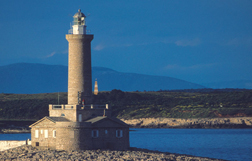
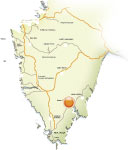
Deep in the hinterland of the eastern coast of Istria, before the winding road descends into the Raša River Valley, this early medieval town is an ideal stopping point. Throughout the entire Middle Ages until Austria acquired the possession in 1374, it was the cause of dispute of Pula's bishops, Patriarchs of...
-
Pazin
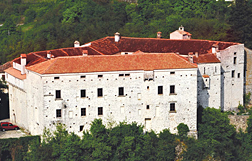
Situated in central Istria, this town is the formal capital of Istria County. Although there are no traces of prehistoric and ancient settlements, it is possible that the town originated even before 983 when it was mentioned for the first time in written documents. When visiting Castrum Pisinum or the...

-
Labin
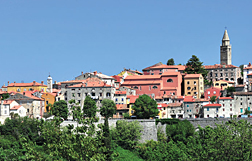
This medieval fortified town is perched high above the Kvarner Gulf, on the eastern coast of Istria. It proudly stands overlooking the Raša River, historical boundary between the Illyrian tribes of Histri and Liburnians, and afterwards the Roman provinces of Histria and Dalmatia. In Roman times the settlement...

-
Vodnjan
The town was not established until the Middle Ages, despite the ruins of a prehistoric hill-fort near the Church of St. Mary of Traversa. The name of the town derives from the Latin vicus Atinianus mentioned in written documents in 1150. As early as 1212, the oldest church in town, St. James delle...